Why Annual Septic Services Can Prevent Major Headaches
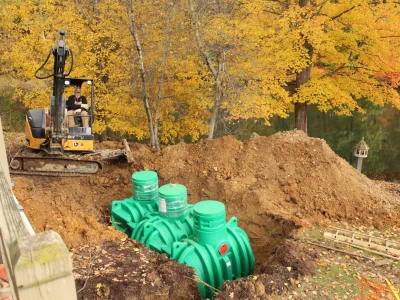

A septic system does its best work when nobody thinks about it. Wastewater leaves the house, solids settle, liquids move through the system, and life goes on. That quiet reliability is exactly why homeowners tend to overlook it. There is no furnace filter to swap every month, no thermostat reminder, no obvious cue that says the system needs attention. Then one day the drains slow down, the yard starts to smell off, or sewage backs up into a shower, and suddenly an invisible system becomes the only thing anyone in the house can talk about.
Annual septic services are not about fussing over equipment for the sake of it. They are about catching small problems while they are still small, preserving the life of a system that is expensive to replace, and avoiding the sort of disruption that can make a home unlivable for days. In practice, most of the worst septic failures are not mysterious. They build over time. A neglected tank fills with solids. An effluent filter clogs. A baffle breaks. Surface water saturates the drain field. Roots edge into a line. Each issue is manageable if seen early. Left alone, each can become costly, messy, and urgent.
Homeowners often think of septic maintenance as pumping the tank every few years and calling it good. Pumping matters, but it is only one part of proper care. Annual service visits provide a regular opportunity to inspect components, track sludge and scum levels, evaluate the tank’s condition, and spot signs of stress before they turn into system failure. That routine check is where the real value often lies.
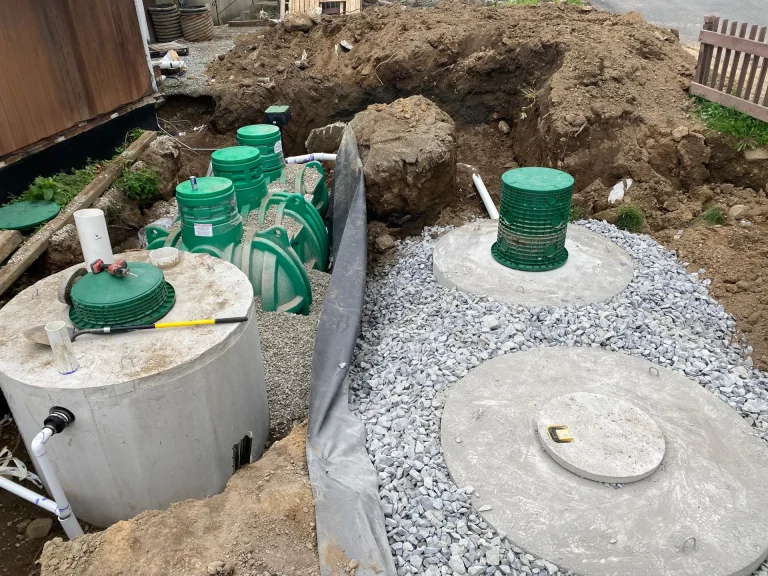
The hidden cost of waiting for symptoms
Septic systems rarely fail all at once. They send signals first, but those signals are easy to dismiss. A toilet gurgles once. The kitchen sink drains a little slower than usual. The grass over one area looks greener. There is a faint odor outside after heavy rain. Any one of these might seem minor. Together, they can tell a very clear story.
The problem is timing. By the time sewage backs up indoors, the issue has usually been brewing for quite a while. At that stage, a service call is no longer preventive. It is reactive, often urgent, and almost always more expensive. Emergency pumping costs more than routine scheduling in many markets. Excavation, line repair, or baffle replacement adds more. If the drain field has been overloaded long enough to clog the soil biomat beyond normal recovery, costs can jump from hundreds to many thousands of dollars.
The disruption is often worse than the invoice. Families may need to stop using water almost entirely until the problem is diagnosed. Laundry stops. Showers become limited. Toilets may be off limits. If wastewater surfaces in the yard, children and pets need to be kept away. If backup reaches finished areas of the home, cleanup becomes a sanitation issue, not just a plumbing inconvenience.
That is the practical case for annual septic services. They move the conversation from crisis response to system stewardship.
What an annual septic service actually covers
A proper annual visit is not just a truck showing up to empty a tank on autopilot. In well-run septic services, the technician is looking at the whole system in context. The tank level, the condition of the inlet and outlet baffles, the effluent filter if the system has one, evidence of leaks, the thickness of the sludge and scum layers, and signs that wastewater may not be moving through the system as intended all matter.
The technician will often ask about changes in the household. Has occupancy increased? Was there a recent renovation? Are you doing more laundry than before? Has the home been vacant part of the year? Those details are not idle conversation. Septic systems respond to use patterns. A house that hosted two retirees five years ago may now have four adults, two teenagers, and weekend guests. The tank and drain field do not care what the permit once assumed. They care what is flowing through them now.
In my experience, one of the most valuable parts of annual service is documentation. A technician who notes sludge levels year over year can tell whether the pumping interval still makes sense. Some homes need pumping every two to three years. Others can go longer, depending on tank size, occupancy, and habits. Without periodic inspection, homeowners tend to guess. Guessing is how tanks get overfull.
Another often overlooked part of annual service is filter cleaning. Many modern systems include an effluent filter at the tank outlet. It protects the drain field from suspended solids, which is a good thing, but it can clog if not maintained. A clogged filter may cause slow drains or backup even when the tank itself is not overdue for pumping. Cleaning that filter during a routine visit is simple. Discovering it only after sewage starts behaving badly is far less pleasant.
Small defects become expensive defects
A septic system has several points where a modest repair can prevent a major one. Baffles are a good example. These components help direct flow and keep solids from moving where they should not. If an outlet baffle deteriorates or breaks, solids can leave the tank and enter the drain field. Once that happens repeatedly, the field can clog and lose its ability to absorb effluent properly. Replacing a damaged baffle early is usually manageable. Replacing a failed drain field is another category of expense altogether.
Tank lids and risers deserve the same attention. Older systems may have lids that are difficult to access, poorly sealed, or deteriorating. A damaged lid is a safety risk and can also allow excess water into the tank. Infiltration from rainwater or groundwater reduces retention time, meaning solids have less time to settle before wastewater moves onward. Annual septic services can identify these structural issues early, before they contribute to chronic overload.
Then there is the simple matter of line integrity. A small root intrusion into a sewer line may start as a nuisance, with only occasional slow drainage. Over time roots thicken, collect debris, and create recurring blockages. If addressed early, cleaning or spot repair may solve the issue. If ignored, the line may need excavation at the worst possible moment, usually when guests are in town or the ground is frozen.
Drain fields fail slowly, and annual service helps protect them
For most homeowners, the drain field is the most expensive and least understood part of the septic system. People know where the tank is, at least roughly. The field tends to fade into abstraction, a patch of yard that must not be driven over. Yet it is the drain field that often determines whether a septic problem remains minor or becomes a major property issue.
Drain fields are designed to accept clarified effluent and disperse it into soil that can finish the treatment process. They are not designed to receive excessive solids, floodwater, or years of abuse from hydraulic overload. Too much water, too quickly, is one of the most common stressors. Long showers, back to back laundry loads, leaking toilets, and high occupancy can combine to overwhelm the field even when the tank is technically functioning.
Annual septic services help here in two ways. First, they keep solids where they belong by making sure the tank and outlet components are doing their jobs. Second, they give homeowners feedback about usage patterns and warning signs. If a technician notices unusually high liquid levels or hears that the home regularly does six or seven laundry loads on one day, that opens the door to practical changes before the field starts showing distress.
Once a drain field is truly failing, there are limits to what maintenance can do. Resting the field, reducing water use, and correcting upstream issues may help if the problem is caught early. But if the soil is badly clogged or the field was undersized from the start, replacement may be inevitable. That is precisely why preventive attention matters. It preserves the part of the system that costs the most to lose.
The money side is more straightforward than people expect
Homeowners sometimes resist annual septic services because they want to avoid an unnecessary bill. That hesitation makes sense on the surface. No one wants to pay for maintenance that feels abstract. But this is one of those cases where the economics are not hard to understand.
A routine inspection and maintenance visit usually costs a fraction of emergency work. Even pumping on a sensible schedule is far cheaper than cleanup after a backup, line excavation, or drain field rehabilitation. If wastewater reaches flooring, drywall, or stored belongings, the septic problem quickly becomes a restoration problem too. Those are separate invoices.
There is also the issue of property value. Buyers with any experience of rural or semi-rural properties tend to ask about the septic system. If the homeowner can show regular septic services, pumping records, and notes about repairs, the conversation is smoother. If nobody knows when the system was last serviced, uncertainty creeps in. Uncertainty affects negotiations.
The savings are not only financial. Time matters. Stress matters. Avoiding one holiday weekend emergency or one raw sewage cleanup in a finished basement can justify years of routine service.
Annual service does not always mean pumping every year
This point is worth stating clearly because it causes confusion. Annual septic services do not necessarily mean the tank needs to be pumped every year. Some do, especially smaller tanks serving larger households, vacation rentals with heavy turnover, or homes with poor water habits. Many do not. What should happen every year is evaluation.
The tank needs pumping based on actual solids accumulation, not superstition. If sludge and scum occupy too much of the tank’s working volume, wastewater does not have enough time to separate properly, and solids are more likely to move onward. That threshold depends on tank size and design, but the principle is consistent. Pump too late and you risk the field. Pump too early and you may spend money you did not need to spend.
A good service provider will explain what they found and why they recommend a certain interval. That recommendation should sound tied to your home, not delivered like a canned script.
Warning signs that should never be brushed aside
Some symptoms justify immediate attention, even if the next annual visit is months away. Homeowners often hope these signs will pass on their own. Septic systems rarely reward that optimism.
- Slow drains in multiple fixtures, especially when accompanied by gurgling sounds
- Sewage odors near the tank, drain field, or inside the home
- Standing water or unusually lush grass over the drain field area
- Toilets or tubs backing up when other fixtures are used
- Alarm activation on systems with pumps or advanced treatment components
Any one of these can have more than one cause, but all deserve prompt evaluation. The sooner the problem is diagnosed, the more options you usually have.
Household habits play a larger role than most people realize
A well-designed septic system can handle normal living. It cannot handle unlimited abuse. Annual service visits often reveal that what homeowners think of as isolated habits are actually placing steady strain on the system.
Water use is the biggest factor. A https://maps.app.goo.gl/wVwDDendX5XK3hBt7 leaking toilet can send surprising volumes of clean water into the tank and field day after day. Spread out over weeks, that extra flow can keep the system under constant hydraulic pressure. High-efficiency fixtures help, but habits matter just as much. Five loads of laundry in one afternoon hits the system differently than five loads spread across the week.
What goes down the drain matters too. Grease does not belong in a septic system. Neither do wipes marketed as flushable, paper towels, feminine hygiene products, cat litter, or large amounts of harsh chemicals. Garbage disposals increase solids load significantly, which can shorten the pumping interval. None of this is theoretical. Service technicians see the results all the time, from compacted scum layers to clogged filters to premature tank filling.
The best annual visits include a little homeowner education. Not a lecture, just practical guidance shaped by what the technician sees on site.
Older systems and seasonal homes need extra judgment
Not every septic system fits the same maintenance playbook. Older systems can be perfectly serviceable, but they often come with quirks. The tank may be smaller than modern standards would suggest. Records may be incomplete. Components may not match current expectations. An annual service history becomes especially valuable in these cases because it builds a working understanding of a system that paperwork cannot always provide.
Seasonal homes are another category where assumptions can go wrong. People often assume that using the property only part of the year means the septic system needs less attention. Sometimes that is true. Sometimes long dormant periods create their own issues, especially if a home goes from empty to fully occupied over a holiday week. Filters can still clog. Pumps on advanced systems still need monitoring. Intermittent use does not eliminate the need for septic services. It changes what the technician should pay attention to.
Choosing a provider matters as much as deciding to schedule service
The value of annual septic services depends heavily on who performs them. A rushed provider may pump and leave without noting damaged components, poor access, or signs of field stress. A careful one will explain what they found, answer questions plainly, and keep records that make future decisions easier.
When hiring septic services, look for a company that communicates clearly, respects the property, and is willing to discuss maintenance intervals in terms of actual conditions rather than generic promises. If they mention what they inspected, what looked normal, and what should be watched before the next visit, that is a good sign. Homeowners should come away with a clearer picture of their system, not just an invoice.
A few practical questions can help separate a thorough provider from a transactional one.
- What do you inspect during a routine annual visit besides pumping
- Do you measure sludge and scum levels to recommend pumping intervals
- Will you check and clean the effluent filter if the system has one
- Do you document the condition of baffles, lids, and visible components
- Can you explain any concerns in plain language after the service
The right company will not be annoyed by those questions. They will expect them.
Why regular attention pays off for years
The real payoff from annual service is cumulative. One visit may catch a filter clog before it causes a backup. Another may reveal that the tank is still fine but the household should pump next year rather than waiting two more. Another may identify a cracked lid, a deteriorating baffle, or evidence that runoff is reaching the field. None of those findings may feel dramatic in isolation. Together, they create a system of early correction.
That is how septic systems tend to last. Not because they are indestructible, and not because homeowners get lucky, but because small maintenance decisions add up over time. The people who avoid the worst septic headaches are rarely doing anything glamorous. They are scheduling service before there is a crisis, asking reasonable questions, and treating the system as part of the home’s critical infrastructure.
A septic system asks for relatively little compared with what it does every day. Annual attention is a modest price for protecting that reliability. When the alternative is emergency calls, property damage, foul odors, disrupted routines, and the possibility of major replacement work, preventive care starts to look less like a chore and more like one of the most sensible maintenance decisions a homeowner can make.
Excavating New Jersey LLC
Address: 406 County Rd 565, Wantage, NJ 07461
Phone number: +19737914284
FAQ About Septic Services
What is the average cost to get a septic tank emptied?
Emptying a septic tank costs between $290 and $560 on average, with most homeowners paying about $420. Prices vary based on tank size.
What is septic service?
Septic service inspects, pumps, cleans, and maintains a septic tank. A septic tank is a large, underground container that collects and treats wastewater from your home. Over time, sludge, scum, and other debris, like hair and solids, can build up in your tank and clog your drain field.
How often should you have a septic tank serviced?
A standard septic tank should be inspected every 1 to 3 years and pumped every 3 to 5 years. However, the exact schedule depends on your tank's capacity, household size, and daily water usage.