Residential Drain Cleaning Services: When to Call the Pros
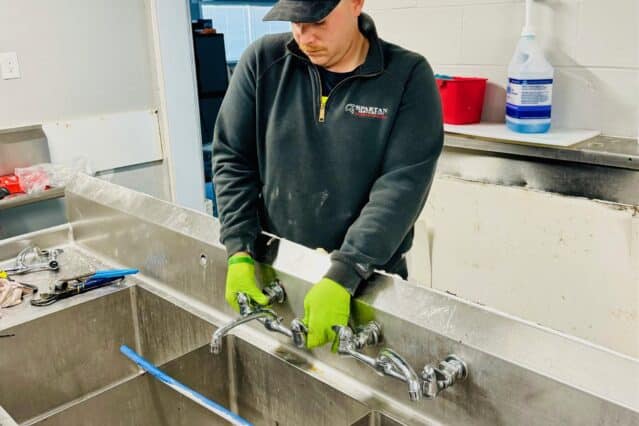

Most homeowners do not think much about their drains until one slows to a crawl or backs up at the worst possible moment. A bathroom sink that takes an extra minute to empty can seem like a minor annoyance. A tub that leaves you standing in ankle-deep water, or a kitchen sink that gurgles and spits food-smelling water back up, gets your attention fast.
That gap between nuisance and emergency is where good judgment matters. Residential drain cleaning is one of those home maintenance topics that invites do-it-yourself fixes, and sometimes that makes sense. A simple hair clog near the surface of a shower drain may come out easily with a plastic drain tool. A kitchen sink stoppage caused by a greasy trap may respond to careful cleaning. But drains are part of a larger plumbing system, and the symptoms you see at one fixture do not always tell you where the real problem sits. Misreading the signs can waste time, damage pipes, and turn a manageable service call into a costly repair.
Homeowners often call a professional only after they have tried hot water, a plunger, a grocery-store drain cleaner, and a few internet remedies. By then the clog may be tighter, the pipe may be under chemical stress, and the technician walks into a job that has become harder than it needed to be. Knowing when to stop experimenting and when to bring in a pro is the difference between routine maintenance and a weekend disaster.
Why drain problems escalate so quickly
Drain lines fail in predictable ways, but they rarely fail all at once. Hair, soap residue, grease, food particles, paper products, mineral scale, and foreign objects build up gradually. In older homes, the pipe material itself can contribute to recurring trouble. Cast iron can roughen and corrode on the inside. Galvanized piping can narrow over time. Even newer PVC systems can develop issues if there is poor slope, improper installation, or repeated stress at joints.
The reason clogs escalate is simple. Drainage systems rely on gravity and open flow. Once buildup narrows the passage, water loses momentum, solids linger longer, and more debris catches in the same spot. The clog grows in layers. What starts as a thin ring of soap scum inside a bathroom line can become a thick restriction that grabs hair and toothpaste residue every day. In a kitchen line, grease cools and sticks to pipe walls, then traps food particles until the opening shrinks.
There is also a pressure problem people underestimate. Wastewater needs air movement to drain properly. If venting is compromised, or if a blockage creates a partial vacuum effect, fixtures can gurgle, drain slowly, or pull water from nearby traps. That is why a clog in one location can make a completely different fixture act strangely. A homeowner may focus on the bathroom sink when the bigger issue is deeper in the branch line or even in the main sewer.
The difference between a minor clog and a system problem
Not every slow drain calls for a truck, a camera inspection, and a full line cleaning. If one sink in the house is draining slowly, and every other fixture is working normally, there is a decent chance the obstruction is local to that sink. If the problem is confined to a single bathroom sink, for example, a shallow clog of hair, toothpaste sludge, and soap residue is common.
But when multiple fixtures start showing symptoms at the same time, the odds shift. A main line issue tends to announce itself through patterns. The lowest drains in the house often show trouble first. That might be a basement shower, a first-floor toilet, or a laundry drain. You may hear bubbling in a nearby sink when the washing machine discharges. You may flush one toilet and see water rise in another fixture. Those are not isolated clogs. Those are warnings that wastewater is struggling to move through shared piping.
That distinction matters because the tools and risks are different. A local clog near a fixture may be reachable with a hand auger. A blockage in the building drain or sewer lateral often requires a power snake, hydro jetting in the right circumstances, or at minimum a trained assessment before anyone starts forcing a cable through the line.
When a do-it-yourself fix is reasonable
There is nothing wrong with handling small, obvious drain issues yourself if you stay within sensible limits. In fact, many plumbers would rather see homeowners use basic mechanical methods than pour harsh chemicals into the system.
A plunger works well on certain sink, tub, and toilet stoppages because it uses pressure and suction rather than chemistry. A small hand snake or plastic hair-removal tool can clear many bathroom drain clogs if the blockage is close to the opening. Cleaning a sink pop-up assembly often solves a surprising number of slow-drain complaints. In kitchen sinks, removing and cleaning the trap can restore flow if grease and debris have collected there.
The key is restraint. If simple measures do not improve the drain quickly, forcing the issue often makes it worse. People tend to jab deeper with improvised tools, scratch fixture finishes, puncture soft pipe materials, or compact the clog more tightly. One homeowner I once heard about used a metal coat hanger on a bathroom sink, thinking it would snag a hairball. Instead, the hanger pushed the obstruction past the trap and damaged the stopper linkage. The final bill covered https://www.podbean.com/user-nmYw6kS8wTwV a drain clearing, a new assembly, and labor that would have been avoided by an earlier call.
The moments that should push you to call a professional
Some warning signs are clear enough that it is worth skipping the trial-and-error phase. If any of the situations below sound familiar, Residential Drain Cleaning from a licensed plumbing company is usually the smarter path.
- More than one drain in the home is slow, gurgling, or backing up.
- Water appears in a tub or shower when you flush a toilet or run another fixture.
- You have repeated the same fix more than once in a short period, and the clog keeps returning.
- There is sewage odor, dirty water backup, or any sign the lowest drain in the house is affected.
- You have already used chemical drain cleaner and the line is still blocked.
Each of those conditions suggests either a deeper blockage, a larger system issue, or a situation where the wrong next step could create damage. A recurring clog is especially important. Drains do not usually reclog for no reason. Either the original buildup was only partially removed, the pipe has a structural problem, or the line has a design issue that keeps collecting debris.
What professionals do differently
Homeowners sometimes assume drain cleaning is just a stronger version of what they have already tried. It is not. A qualified plumber brings diagnostic skill first, equipment second. That matters because the right method depends on the kind of pipe, the likely location of the blockage, the history of the problem, and the symptoms across the house.
A service visit often starts with questions that seem basic but reveal a lot. Which fixtures are affected? Did the problem begin suddenly or gradually? Has there been recent construction, landscaping, or heavy rain? Is the home on a slab, crawl space, or basement? Is there a history of roots, grease, wipes, or old cast-iron piping? Those details help narrow the likely failure point.
From there, the plumber may use a hand auger, a drum machine, a sectional cable machine, or a camera inspection. In kitchens, technicians often find a line narrowed by grease over a long run, not just a trap full of sludge. In bathrooms, they may uncover dense hair masses wrapped around drain fittings or lodged in branch lines. In main drains, tree roots, scale, bellied pipe sections, and flushed non-flushables are common culprits.
A camera can be especially valuable when the problem returns repeatedly. It shows whether the pipe is simply dirty, partially collapsed, offset at a joint, invaded by roots, or holding standing water because of a belly in the line. That distinction affects whether cleaning alone is the right answer or whether repair should be part of the plan.
The problem with chemical drain cleaners
Store-bought drain cleaners promise speed and simplicity. In practice, they are one of the more common reasons a simple clog becomes a more complicated service call. Caustic and acidic products can sit in the trap or branch line when a drain is fully blocked. Instead of flowing through and dissolving a clog, they pool in place. That creates a hazard for anyone opening the line later, including the homeowner.
Beyond the safety risk, chemical cleaners often do a poor job on the materials that cause residential clogs. Hair, grease, soap residue, and wipes do not always respond the way the label suggests. The result is partial relief, not real cleaning. Water may drain a little better for a week or two, then the blockage returns because the pipe walls are still coated.
Older plumbing systems are more vulnerable. Repeated chemical exposure can accelerate deterioration in aging metal pipes, weaken certain fittings, and damage finishes if the product splashes back. Professional plumbers generally prefer mechanical cleaning because it removes material rather than trying to dissolve it in place.
Why recurring kitchen sink clogs deserve extra attention
Kitchen drains are some of the most deceptively stubborn lines in the house. Homeowners often think of a kitchen clog as a one-time event caused by too much food waste. In reality, kitchen lines clog by accumulation. Grease is the usual foundation. Even if you never pour bacon fat down the sink, small amounts of oil, butter, meat drippings, creamy sauces, and dishwater residue coat the interior over time. Add coffee grounds, rice, pasta, eggshells, fibrous vegetables, and detergent residue, and the passage narrows.
Garbage disposals can make this worse by grinding material into smaller pieces that still stick to greasy pipe walls. A disposal does not turn food into harmless liquid. It simply changes the size and texture of what goes down the line.
A recurring kitchen backup often points to a longer section of buildup beyond the visible trap. In older homes, I have seen branch lines narrowed enough that they still drained during light use, then backed up whenever someone filled both sink basins or ran the dishwasher. That kind of line usually needs thorough mechanical cleaning, not another round of boiling water and wishful thinking.
Bathroom drains have their own patterns
Bathroom drains usually clog more slowly, but they are relentless. Hair, soap, shaving residue, skin oils, and toothpaste combine into dense obstructions that form around pop-up stoppers, crossbars, and bends. Shower and tub drains are often the first to show trouble because they catch more hair and do not receive the same flushing volume as a toilet line.
Toilet clogs are a separate category. A single toilet that clogs occasionally may reflect low-flow performance, excess paper, or something lodged in the trapway. But if toilets flush sluggishly throughout the house, or one toilet causes movement in nearby drains, the problem may lie farther down the branch or main line. That is the moment to stop treating it like an isolated fixture problem.
Children’s bathrooms create a special class of service calls. Small toys, hygiene products, cotton swabs, wipes labeled flushable, and too much paper can all cause stubborn blockages. The problem is that the drain may seem better for a while after plunging, even if the obstruction is still there. Then the line catches new debris and blocks again. A professional auger or camera check can save a lot of repeat frustration.
Main sewer line issues are a different level of urgency
When the main sewer line is involved, delay gets expensive. Wastewater from the whole house depends on that line. If it cannot carry flow out to the municipal connection or septic system, backups often appear at the lowest openings first. That can mean a basement floor drain, a downstairs shower, or a lower-level toilet. By the time sewage shows up there, the issue is no longer a simple inconvenience.
Root intrusion is a frequent cause, especially in older neighborhoods with mature trees. Roots seek moisture and can enter through tiny cracks or joints, then expand into dense masses that trap paper and waste. Scale buildup in cast iron can also catch solids and reduce capacity. In some houses, the line has shifted or developed a low spot that holds waste between uses.
This is where professional Residential Drain Cleaning becomes less about clearing a clog and more about protecting the home. The plumber may recommend cabling to restore flow right away, followed by camera inspection to determine whether roots, breaks, or severe corrosion require a more permanent solution. Hydro jetting may be appropriate for some lines, but it is not a universal answer. A damaged or fragile pipe should be assessed carefully before high-pressure cleaning is used.
What a service visit usually costs, and what affects the price
Drain cleaning prices vary by region, urgency, access, and the type of blockage. A simple fixture drain may be a modest service call. A weekend emergency, a roof vent access situation, a main line stoppage, or a camera-assisted diagnosis can cost significantly more. Most homeowners are better served by asking what is included than by chasing the lowest number.
A fair quote should reflect the complexity of the job. Clearing a shallow sink clog through the trap is not the same as pulling a toilet, snaking a branch line, and camera-inspecting recurring backups. If a company charges more, find out whether that includes diagnosis, cleanup, testing, and any limited warranty on the work.
The cheapest call is often the one made early. It is usually less expensive to clean a line before it overflows than to pay for emergency service, water damage cleanup, flooring replacement, and sanitation after a backup.
How to choose the right drain cleaning company
Drain cleaning is one of those trades where equipment alone does not guarantee skill. A powerful machine in careless hands can damage pipes or miss the real issue. Ask practical questions and listen to how the company answers. The best providers explain their reasoning clearly and do not jump straight to the most expensive option.
- Ask whether they handle camera inspections for recurring or main line issues.
- Confirm they are licensed and insured if your area requires it.
- Find out what method they expect to use and why.
- Ask whether the quoted price includes diagnosis, clearing, and testing the line.
- If roots or structural damage are suspected, ask what happens after the blockage is removed.
Notice whether the company treats your description seriously. A thoughtful plumber pays attention to symptoms, age of the home, and fixture patterns. A rushed one may promise a fix before understanding the problem. That difference shows up later in repeat visits and missed diagnoses.
Simple habits that reduce future clogs
Good drain habits are not glamorous, but they work. Kitchen sinks do better when grease stays out of the line and food waste goes into the trash or compost instead of the drain. Bathroom drains last longer when hair is caught before it enters the pipe. Toilets should get only waste and toilet paper, regardless of what wipe packaging claims.
Periodic maintenance also has a place, especially in homes with a history of recurring buildup. Some older properties benefit from scheduled drain cleaning before trouble becomes visible. That is particularly true for long kitchen runs, aging cast-iron systems, and sewer lines with known root activity. Preventive cleaning is far less disruptive than waiting for a backup.
For homeowners who like routines, a quick monthly look goes a long way. Notice whether water is swirling differently, draining more slowly, or producing odors that were not there before. Those subtle changes often appear weeks before a full blockage.
The best time to call is earlier than most people think
Drain problems reward early action. Once water is moving slowly, the line is already telling you something. Sometimes the answer is simple and local. Sometimes the slow drain is the first visible symptom of a deeper problem that affects the house more broadly. The challenge is that you cannot always tell which is which without experience.
That is why professional judgment matters. A good plumber does not just clear what is in front of them. They read the pattern, choose the right tool, and help you understand whether the issue was a one-off clog or a sign of something developing inside the system. If your drains are recurring, spreading from one fixture to another, making noise, or backing up with dirty water, it is time to stop experimenting.
Residential Drain Cleaning is one of those services that seems easy to postpone right up until the moment it is not. Calling the pros before the problem becomes an emergency protects your plumbing, your time, and in many cases, the parts of your home that a drain backup can damage in a matter of minutes.
Spartan Plumbing Services
Address: 760 107th St S, Tacoma, WA 98444
Phone number: +12534998773
FAQ About Residential Drain Cleaning
How much does it cost to have someone clean your drains?
Professional drain cleaning costs between $147 and $352 on average, with most homeowners paying around $246. The final price is heavily determined by the type of drain affected, the clearing method needed, and your geographic location.
How much does it cost to clean a drain line?
Professional drain cleaning costs between $147 and $352 on average, with most standard residential jobs landing right around $246. However, your final bill can scale from $100 to over $800 depending entirely on which drain is clogged and the method required to clear it.
Is professional drain cleaning worth it?
Yes, professional drain cleaning is worth it because it clears deep buildup and prevents expensive plumbing emergencies.